Views: 0 Author: Site Editor Publish Time: 2026-03-19 Origin: Site


Getting a flawless paint job requires more than a steady hand and premium paint. The secret to clean lines and zero overspray lies entirely in the preparation phase. Auto body shops and DIY enthusiasts alike know that protecting existing surfaces is a critical step in the refinishing process. When you apply the right masking techniques, you save hours of cleanup and prevent costly rework.
Finding the right materials makes a significant difference in your final results. Using a high-quality Paint Masking Film ensures that primer, basecoats, and clear coats only go exactly where you want them. Without proper coverage, airborne paint particles will settle on glass, chrome, and previously painted panels, ruining the vehicle's finish.
This guide will walk you through essential masking strategies and help you select the best materials for your specific project. You will learn how to apply a Car Painting Masking Film correctly, explore the benefits of advanced protective products, and discover professional tips for achieving showroom-quality results.
Paint overspray is the enemy of any automotive refinishing project. Airborne particles travel easily and bond quickly to unprotected surfaces. Using newspaper or cheap plastic drops often leads to frustration. Solvents in automotive paints can bleed through porous materials, and the force of a spray gun can lift poorly secured edges.
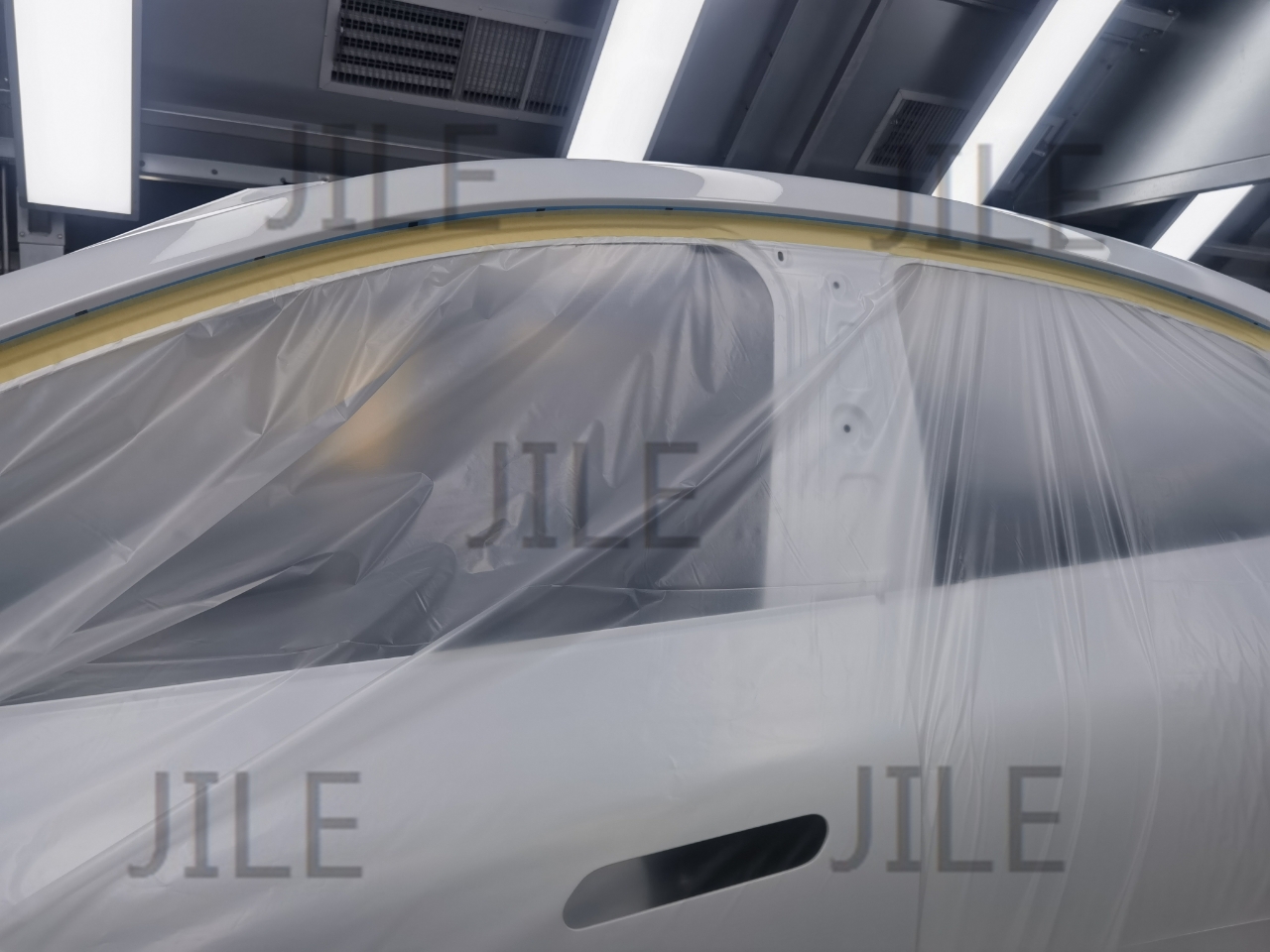
A dedicated Paint Masking Film solves these problems. These films are engineered to resist harsh chemicals and high temperatures common in auto body repair. They cling tightly to the vehicle's contours, eliminating gaps where paint might sneak through. By investing in professional-grade masking solutions, you guarantee a sharp, crisp line upon removal.
Furthermore, static cling properties in modern masking films help the plastic wrap around the vehicle's body. This feature holds the material firmly in place, stopping the masking sheet from flapping during the spraying process. Securing a stable masking layer lets you focus entirely on your spray technique.
Building a solid masking kit requires a few specialized items. Each product serves a distinct purpose, from creating sharp edges to covering large areas quickly. Selecting the right combination of tapes and films depends on the scale of your project and the curing temperatures required.
Having a variety of tools ensures you are prepared for intricate curves and massive body panels alike. Below is a breakdown of common masking materials and their best use cases.
Product Type | Best For | Key Features |
|---|---|---|
Pre-Taped Masking Film | Covering large panels quickly | Combines tape and film; unfolds easily over doors and hoods. |
High-Temp Crepe Paper Tape | Baking cycles in paint booths | Withstands high temperatures without leaving adhesive residue. |
Low-Tack Washi Tape | Delicate surfaces and fresh paint | Tears easily; provides ultra-sharp paint lines safely. |
High-Temp PVC Fine Line Tape | Curves and custom graphics | Highly flexible; stretches around tight corners seamlessly. |
When stocking up on these essentials, sourcing reliable materials is crucial. You can find a wide variety of professional Painter's Masking Supplies that cater to both automotive and architectural needs, helping you secure the right product for any painting environment.
Achieving a flawless transition between painted and unpainted areas requires patience and a methodical approach. Follow these steps to prepare your vehicle correctly.
Adhesion is impossible on a dirty surface. Wash the entire vehicle thoroughly using a wax-stripping automotive soap. Dry the car completely with compressed air, paying special attention to panel gaps and trim edges. Water trapped in crevices will blow out during painting and ruin the finish.
Wipe down the areas receiving tape with a dedicated wax and grease remover. This ensures your Car Painting Masking Film will stick securely throughout the spraying and curing process. Skipping this step often causes the tape to lift prematurely.
Standard taping involves running a line of tape along an edge. However, professionals use specific techniques to avoid hard paint lines.
Back-taping creates a soft edge that blends easily with existing paint. To back-tape, apply half the width of the tape inside a door jamb or panel gap. Fold the remaining adhesive side back over itself so the sticky side faces outwards. When you close the door, the tape creates a gentle barrier. The paint will roll over the rounded edge of the tape instead of hitting a sharp, flat wall of adhesive.
Start by outlining your painting area with a high-quality fine line tape. Press the edges down firmly to prevent bleed-through. Next, apply your Paint Masking Film over the adjacent panels.
If you are using a pre-taped film, align the adhesive edge with your initial tape line and unfold the plastic sheet carefully. Secure the loose ends of the film with additional tape. This stops the spray gun's airflow from blowing the plastic into wet paint. Ensure wheels, windows, and the undercarriage are fully sealed before mixing your primer or basecoat.
Once your new paint job has cured, keeping it safe from road debris becomes the next priority. A car paint protection film (PPF) acts as an invisible shield against rock chips, bug splatter, and minor abrasions.
Unlike masking films used during the painting phase, PPF is a permanent, transparent polyurethane layer applied directly over the clear coat. It absorbs impacts and often features self-healing properties that make fine scratches disappear under heat. Applying this protective layer ensures your meticulously painted panels remain pristine for years to come.
Many vehicle owners apply PPF to high-impact areas like the front bumper, hood, and side mirrors. The application process requires a clean, controlled environment and a specialized slip solution to slide the film into place. Once squeegeed flat, the film cures and bonds strongly to the paint, offering long-lasting durability.
Even experienced painters occasionally run into masking issues. Recognizing these common pitfalls will help you maintain a clean workspace and deliver superior results.
Leaving tape on the vehicle for too long causes the adhesive to harden. Always remove your masking materials while the clear coat is still slightly tacky, or immediately after the recommended baking cycle. Pull the tape back over itself at a 45-degree angle to slice the paint cleanly and avoid pulling up fresh layers.
Using the wrong tape for the job also leads to disaster. Masking tapes designed for household walls cannot withstand automotive solvents. The chemicals will dissolve the adhesive, leaving a sticky mess on your vehicle. Always choose automotive-grade products specifically rated for the paints and temperatures you plan to use.
Automotive masking tape should be removed as soon as possible after the paint has flashed or baked. Leaving it on for several days can cause the adhesive to bake into the clear coat, making it incredibly difficult to remove without damaging the finish.
Reusing masking film is highly discouraged. Dried overspray from previous jobs can flake off the plastic and land in your fresh paint. Starting with a clean, new sheet of masking film ensures a contamination-free environment.
Automotive tape is specifically formulated to resist the harsh solvents found in car paints and clear coats. It also withstands the high heat of automotive bake booths. Regular painter's tape will absorb solvents, leading to paint bleed-through and severe adhesive residue.
Professional automotive painting demands rigorous attention to detail and the right protective materials. By mastering these masking techniques and utilizing premium products, you eliminate the risk of overspray and guarantee sharp, factory-quality edges.
Take the time to assess your next project and gather the appropriate films and tapes before you ever mix a drop of paint. Equip yourself with reliable supplies, practice your taping skills, and watch your refinishing results improve dramatically.


